Grandad smokes pot – three words, but how much information do they impart?
I found seven meanings to ponder:
a man
who is old
has children
who have children
he smokes
forbidden
substances
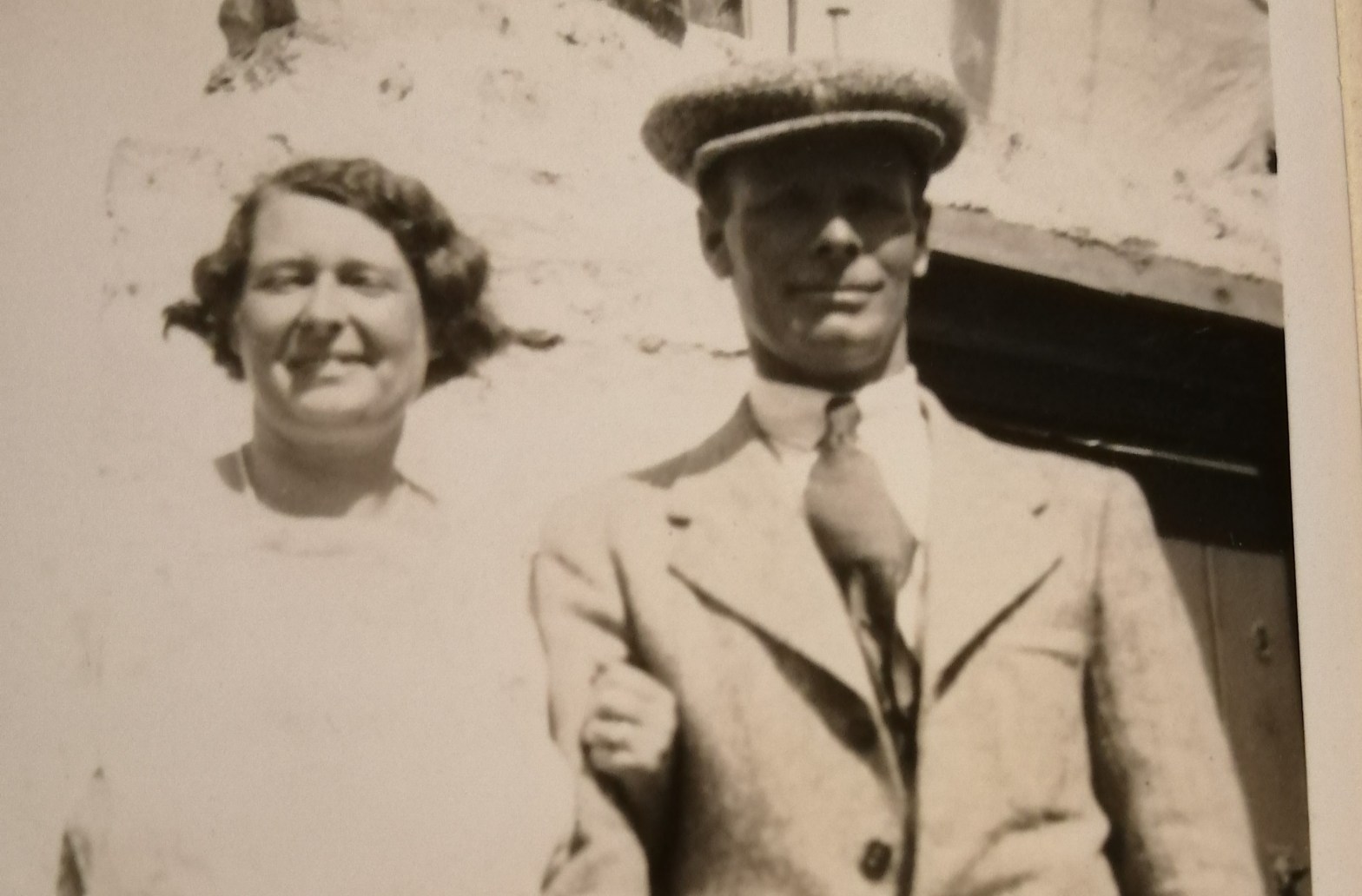
Here’s my memory of my father’s step-father. He should have smoked pot, when crippled with arthritis, after a life of work, too hard, but he didn’t.
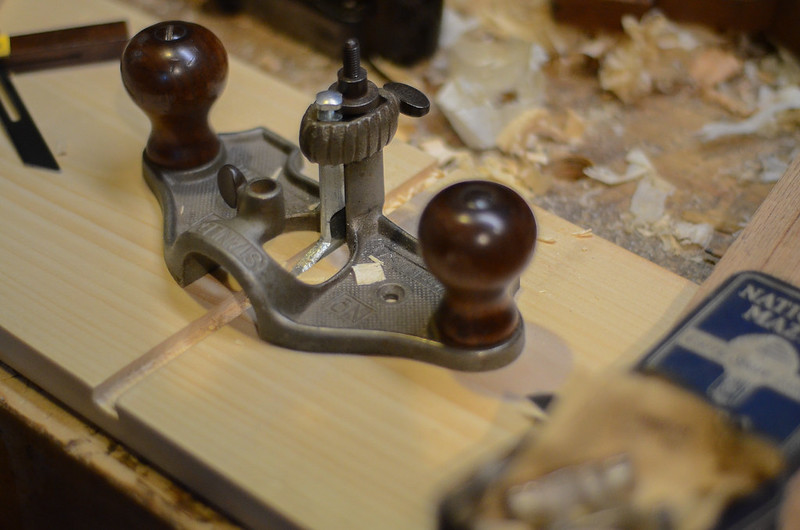
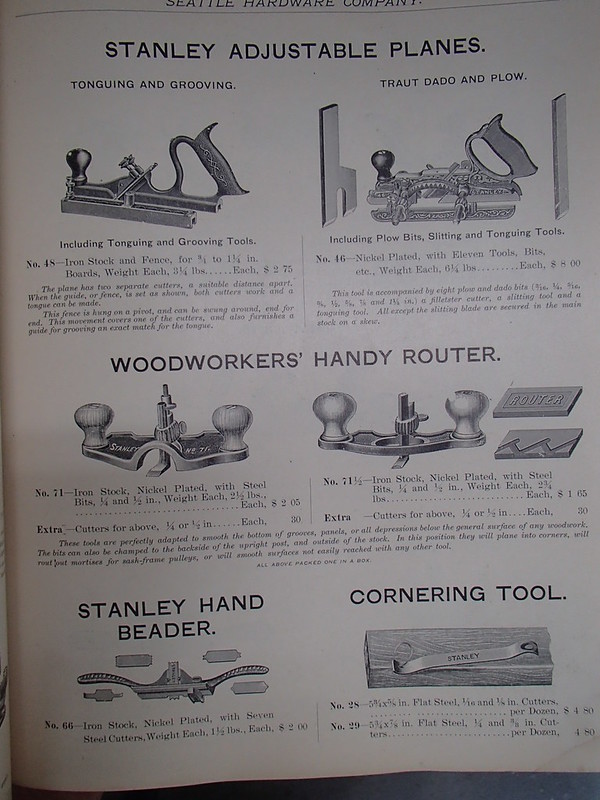
The Stanley Router. It came in a cabinet, not a box.
Grandad’s Router
Pine box, morticed corners, polished lid,
Holding hardened steely pieces.
Shining sharp shapes in ordered rows
Each for hacking a different desire.
Wires, springs, lignum vitae grips
With smooth grain patterns,
Ready to gouge, but forever waiting.

I inherited it, with its dusty years, and
The cabinet-maker's name in the box
Welcoming the skilled journeyman
To his craft.
Wasted effort!
It was grandad's pride,
But by the time he could afford it,
Was too weak to use it,
So left it to me, with a small legacy.
I bought the power-tool version.
Stanley – the name in woodwork
My mother’s father, would have smoked pot.
Both my grandfathers were called Will. Unlike the paternal side, my maternal grandfather was so incensed by the treatment of soldiers returning from the first war, that he went on a personal crusade to shaft the state of everything he could. He was always a respectable reprobate, but capable of violent outbursts when he sensed injustice. The priest discovered that, when he blamed the death of my aunt from a botched abortion, on my grandfather’s disinclination to go to church.
We think we are the stressed generation, but we know nothing!
He was fighting throughout the war, and regularly ordered to charge at heavy machine guns. ‘We only did it because we were drunk, due to small food rations and large shots of rum, just before the charge,’ he told me. Back home, there was no work, no welfare safety net, which meant if you defaulted on the rent, you were on the street. By 1923, he had five to feed, and did and cheerfully broke the law whenever necessary! Doubtless, MPs at the time, in top hats and choking collars on silk shirts, called his type, ‘cheats and scroungers.’
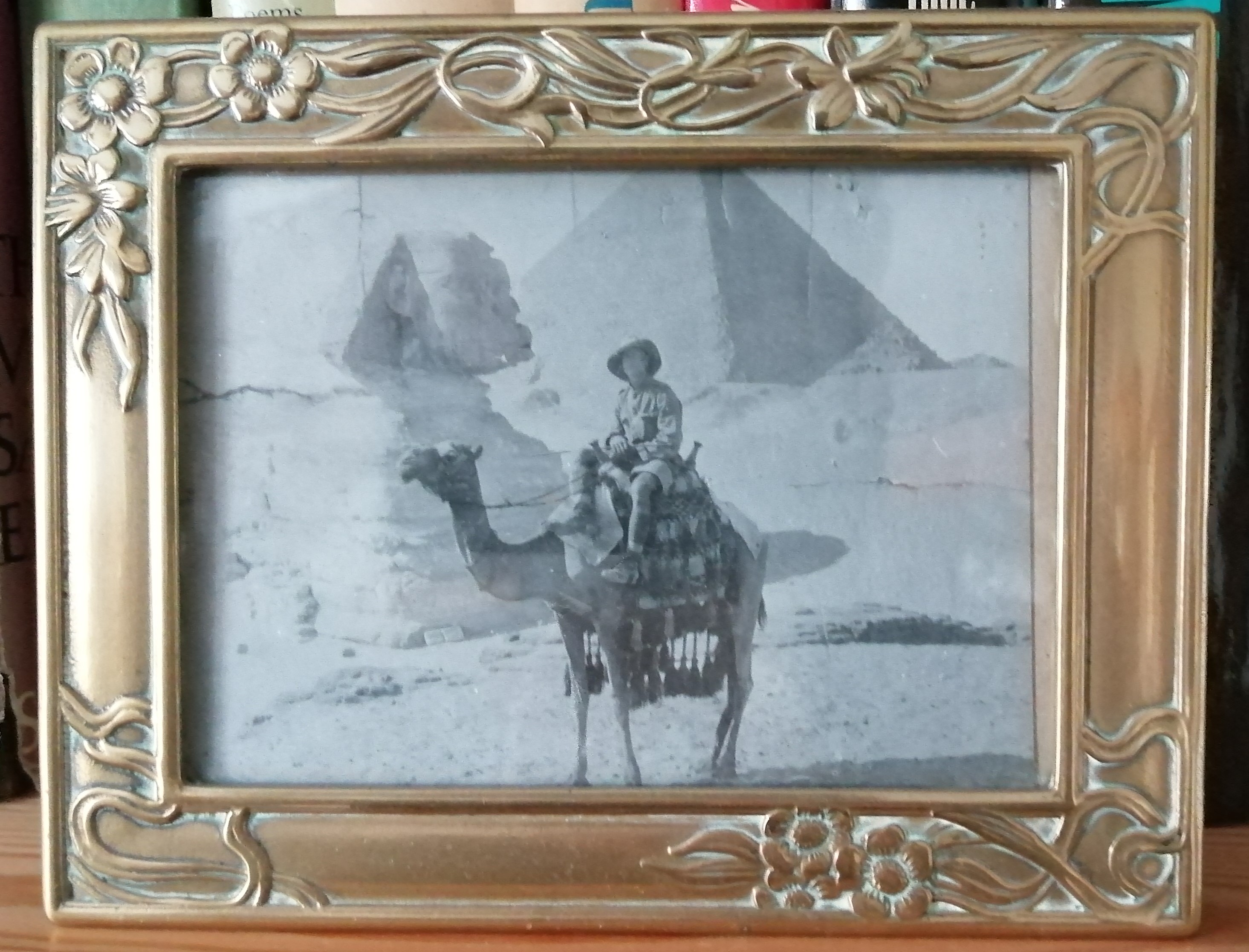
The description doesn’t fit the man in the picture.
My grandfather, during his time in the Camel Corp, in North Africa.No one knows if this was him, or a stylised generic picture, mass-produced to send home to anxious girlfriends.
Stress
 Time and space change
 Our perception of reality.
 We no longer form family tribes,
 But isolate in cells of lost identity.
 We, now richer and fatter,
 Need analysis to know
 From where we come and
 What needs to be done.
 Stress is the modern test
 To give us credibility.

 A century ago,
 He knew the symptoms,
 But not the word.
 Trenches, charges, mud, blood
 Machine guns, lost friends
 And then, with King and Country,
 No longer to defend,
 He padded the streets, he would
 Live on, if the spend didn’t
 Stretch to the rent.
 He knew Stress,
 Just not the word.
 It was the old test, too
 For a face in a different crowd,
 With different knowledge,
 But the same point of view.
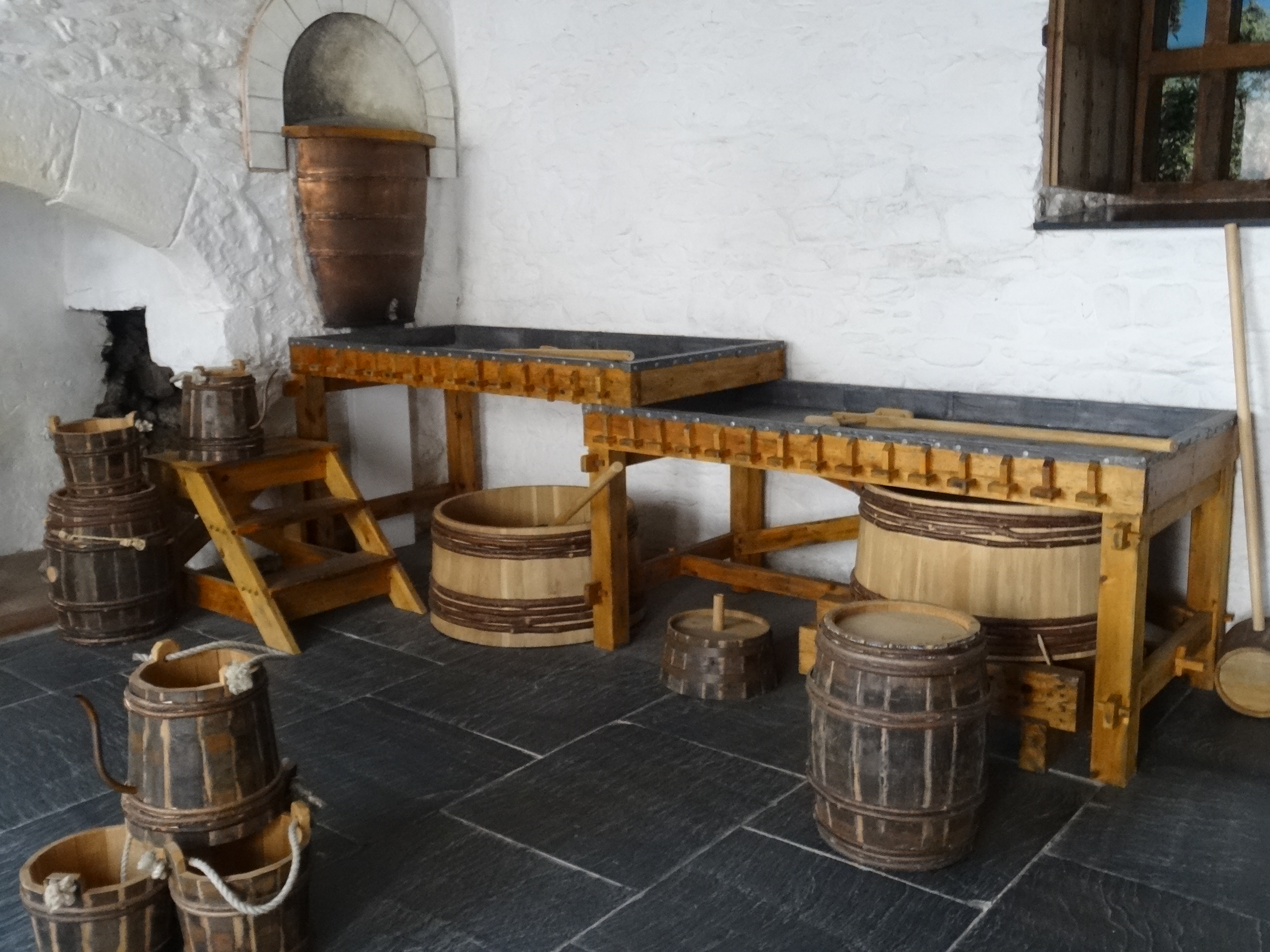
This house brewery, in a Welsh museum is close to intact. The copper, (far left) heated the mash liquor. I can’t be sure where the mash tun stood, but somewhere that could be fed with water from the copper. At the moment it is on the floor to the right of the steps. The large trays were for cooling the wort, prior to running it into a fermenter, underneath the trays.The spouted buckets were for sparging.
I mentioned brewing in a small space, in blog no. 1. It’s a problem many will face and when my family became fed up with me blocking the kitchen and odourising the house with wort smell and then boiling hops, a solution had to be found. The smell isn’t that bad so don’t panic, but we know how judgemental the friends of teenage daughters can be! Thus, we built a tiny brewhouse, which also served as a pantry, so I was allocated the sink and about 1 ½ m2 space – or about 16 sq foot for US readers.
Our planning department kept my plans to prove to incoming colleagues how wacky some residents in our town can be.
Why call it a macrobrewery? Large commercial breweries give their annual production figures in millions of hectolitres, microbreweries probably talk in thousands and I don’t quite manage 4 hectolitres or 90 gallons per year. But that serves me and the immediate family and friends.
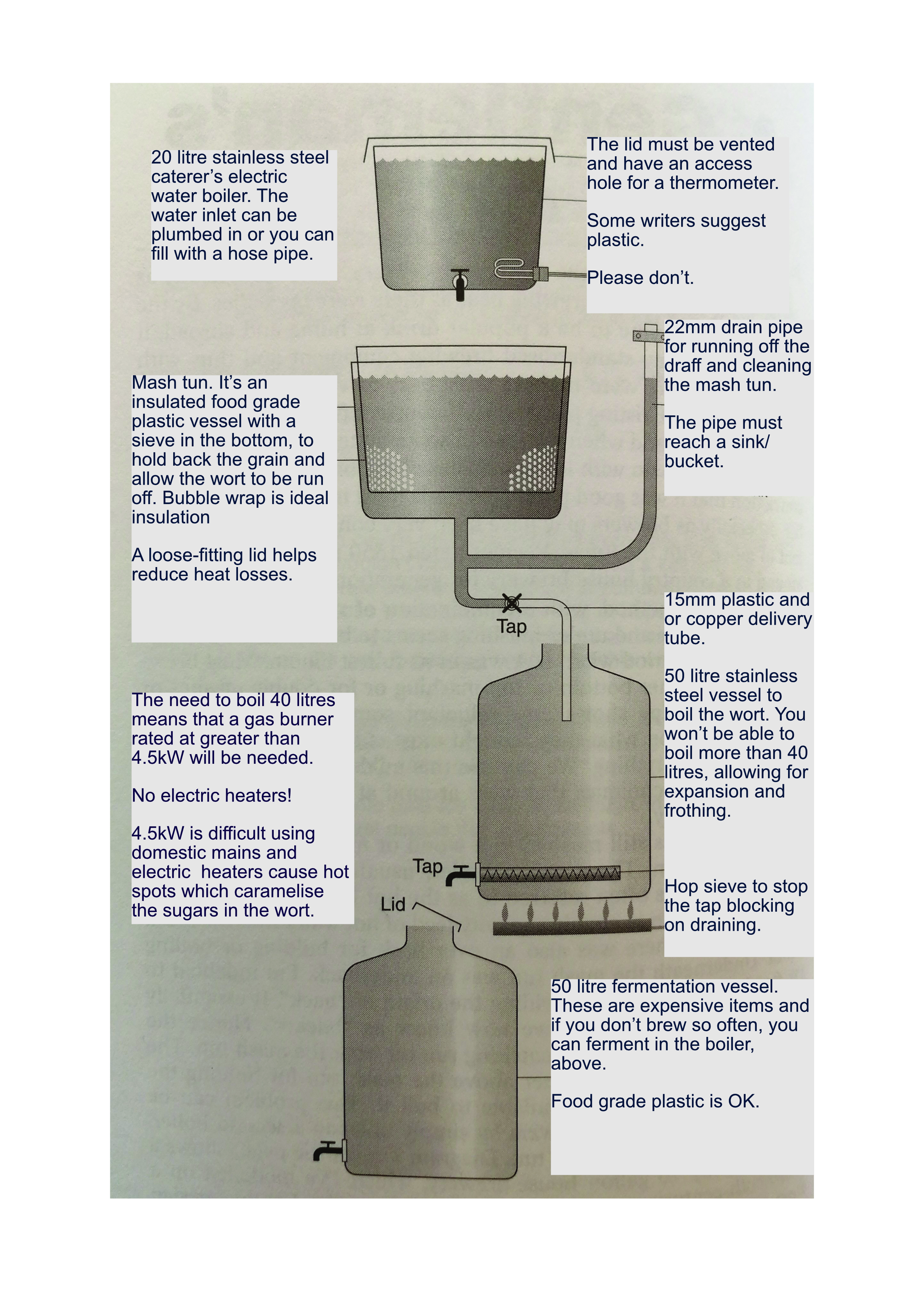
Photographing my brewery is problematic with space and light considerations, but here is a diagram I made from a 19th century sketch. The process is described in the Craft of House Brewing.
This four stage system needs about 3 m height. The use of flatter vessels can reduce this. I always ferment in the boiler, which saves me a metre.
Avoid polypropylene (plastic) buckets. If they fail, you could be showered with boiling water. They were once considered OK, but I always had reservations. Cheap, cheerful and dangerous. Stainless steel boilers must take plastic from the boiling side of the brewery. A 2.6 kW tea boiler is perfect for preheating the mash liquor.
You can make your mash tun, or buy a converted insulated cool box.
4kW is better for boiling the wort in the 50 litre stainless steel vessel. It will need a gas burner, to avoid point heating and some tricky wiring.
I haven’t used a purpose fermenter for years. I cool the wort in the boiler, adjust the gravity with cold water, pitch the yeast, cover and leave in a cool place until fermented out. I get away with this because I don’t brew so often and it is OK if my boiler is tied up for 10 days whilst fermenting.
Cool – I live in a temperate part of the world and could brew with care throughout the year. I don’t! Traditionally, one brewed between October and March, hence the occurrence in brewing history of March and October beers – the first and last brew of the season. Humid summer days are deadly for the sugary wort, the smell attracting fruit flies from the whole county.
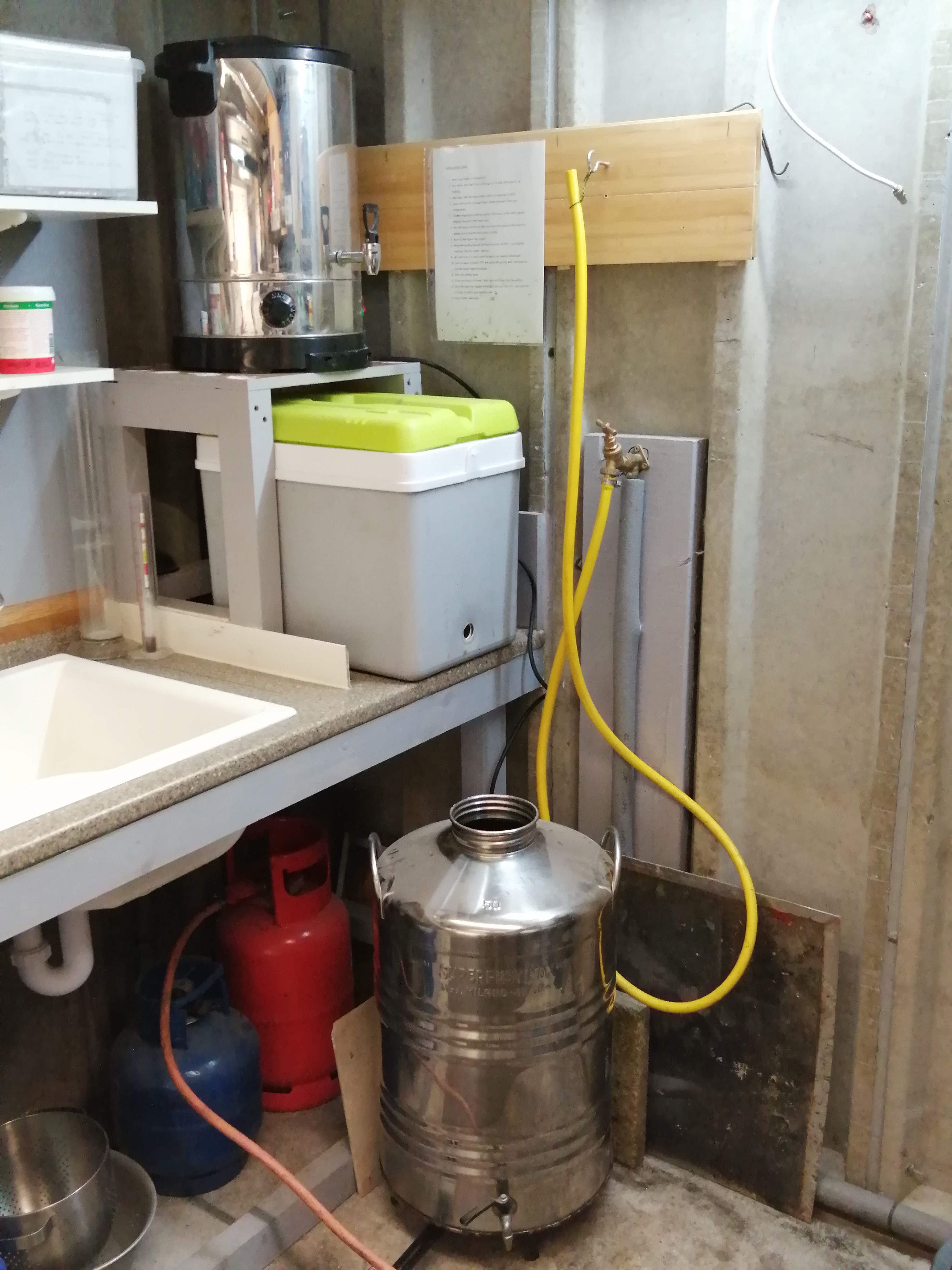
And this is what it might look like.
The three stage gravity fed macrobrewery. The lower stainless steel vessel is both wort boiler and fermenter. The connecting tap from the grey mash tun to the boiler has been removed for maintenance.I built this one in a morning for a friend.
This is what you could be brewing. Get building.
A sample of a historic gyle, no longer made, but within your reach as a craft brewer.The author, in his Craft Brewing Association sweat shirt, now looking faded, with the travelling brewing rig from Hahn on the front. Hahn claimed he brewed for the army while on manoeuvres. Early 19th century.
It’s been a hard slog through 2020, but brewing at home doesn’t offend lockdown requirements, is good for mental health, so now might be the time to begin a wonderful hobby. You can buy most things online, but plenty of hardware stores that are currently open, stock your requirements. Try to support the retailers by buying online from a homebrew stockist.
Follow me for beer-blog updates.
However, there are reasons not to brew. Here are a few, that are garbage.
It’s expensive. Not normally true, unless you are a techno freak who wants a fully automated, gizmo rich, brewery. Generally speaking, more is less, when it comes to brewing at home, because brewing is about feelings and intuition, as well as knowledge. The more you observe and get to know your beers the better they will be. Most brewers start out using buckets and kitchen utensils that are in the house and if they live and love their topic, the first beer out the keg will be admirable.
You need space. Space is good, but if you don’t have much, then taking over the kitchen is an option. It’s only for a few hours. I have brewed for 40 years on a dedicated space of about 1.5 square metres. Confined brewing is helped by a gravity fed system, and details on that can be found in my eBook on pale ale, or the paper version, The Craft of House Brewing.
Homebrew is second ratebeer. Not true, unless you are bad at brewing and not prepared to learn from your local club members, or you buy sub-standard kits to brew from. I have always been a grain brewer, but kits nowadays are better than they were when I started. Many are excellent! Ask your local club members or go on homebrew forums.
An old brewing warhorse, with infos on malting, hop gardens, yeast propagation and more.
And here are some undeniable truths.
One drinks too much if one homebrews. This is personal choice and doesn’t have to be true. I found that making beer, just as when preparing food, makes one respect the elegance of a method, now at least 4000 years old. The quality of the product makes us treasure it and not want to binge drink. BUT! Cheapness and availability can lead one astray. A pint a night’s enough, especially as the best beers are highly hopped and have an OG above 1066. Watch out.
Alcohol is a poison – true. No way round this one, so limit your intake.
Beer is carb and calorie rich. Yep, but not as bad as one might think. I keep to a low carb diet for weight reasons and find that a glass of beer when I want one, is not a problem. Several glasses in an evening are a luxury best kept for special occasions.
The peanuts etc. that we eat with our pint are the real carb carriers. Peanuts are moderate in carbohydrates but high in calories. I follow the advice of health professionals and put my peanuts in a small dish. I leave the large tin out of easy reach. Once again, it’s all about quantity.
Crisps and similar are deadly and do more harm to your waistline than a pint or dish of nuts. Crisps are carb and calorie bombs, especially when we eat from the packet, which means, we eat until the packet is empty.
And there is the next hobby*! DTP and photo editing to make beautiful labels! And if you recycle your brown bottles, you are suddenly into mindfulness and that makes hobby number 3!
Brewers’ wisdom. You share your brews with your mates, but you teach people you care for, to brew.
Next blog – Getting started. Follow me for notifications.
God pays back in mysterious ways. Fear is my just desert for morbid voyeurism.
In retrospect my next action was stupid. I ride on by the men mass and think, ‘It’s just too bizarre. Where would I start?’
What I should have done is got off, locked the old wire donkey to the nearest lamppost, and gone in and mingled. I should have found out what animated them and tried to understand what is going on in their minds. Truth is I’m still too squeamish about breaking a taboo so engrained into my youth.
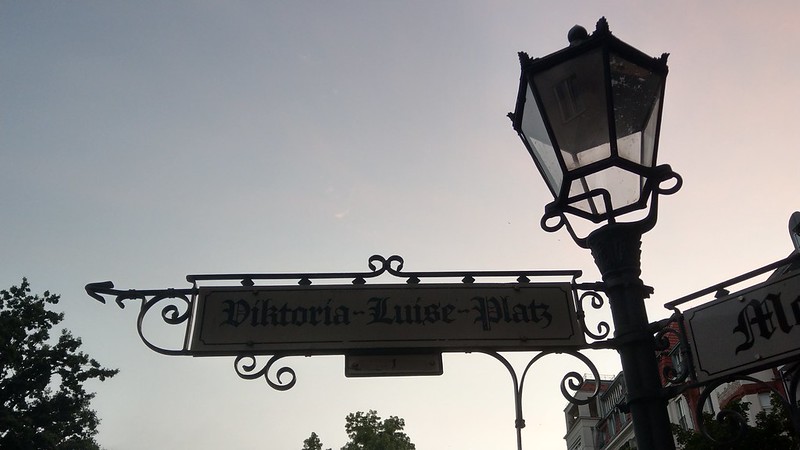
Viktoria-Luise-Platz, Berlin in the evening sun, by matetronic on Flickr.com
Around the corner is the beautiful Viktoria Luise Platz, where many people just go to hang out on a warm summer’s evening. I thought that a quiet moment of introspection was needed.
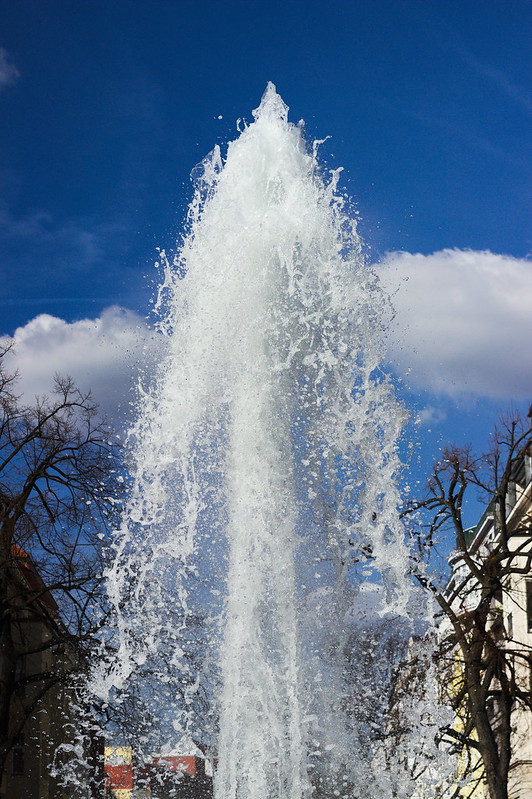
The fountain in the middle of the square is remarkable and casts a fine cooling effect across the lawns and out over the gravel-sand paths, to be finally trapped by hedges. There are plenty of seats just in front of the hedges, but all are occupied – one by an old trampess, who was amazingly fat for someone living out of waste-bins. I know I should sit next to her and chat and give her a couple of Euros, but for the second time that evening my courage fails my convictions. Plenty are sitting on the grass, but I am not up for that. Sitting on the ground and standing up again from a squatting position have become so difficult that I know I fail to do it elegantly. Why can’t one wear one’s age with pride? Just look at all the beautiful young people putting on the agony for the opposite sex and you will understand why one doesn’t want to ruin their efforts with inelegance.
Snogging couples occupy most benches. I don’t want to intrude so rule them out. OK! They probably wouldn’t even notice me, but one has to show consideration. Or does one? It’s not like in my young day (I wish I hadn’t written that but I’m not going to delete it) because we had to screw in the back of cars or under park benches if it got really desperate. Parents always contrived to make it as hard as possible – well my mother did, bless her. She would lie about her comings and goings so we never thought we had even time for a quickie. The old man felt for his sons and their need to get their end away sometimes. Nowadays every young couple has a private somewhere, where they can shag their brains out so park benches should be left for the aged and infirm, who need somewhere to sit.
And there is the rub. My wife’s cousin Mildred is always banging on about how useless and lacking in drive and motivation many young men are nowadays. School and university graduation results would seem to substantiate her assertion. Girls have more about them than the lads. I blame the mothers! I’m sure my brother and I and all our mates, achieved a high degree of determination and a low degree of cunning because our mums did their best to keep us pure. Obviously they didn’t succeed, but we had to work a lot harder for it than lads do now.
Mildred was a psychotherapist and has another theory. She says the large number of broken homes mean that many women are left isolated with the kids to bring up. In their loneliness, they take a son as husband surrogate and de-skill him so he is dependent on the mother. I like my theory more. It gets you down your pint quicker.
I digress.
Right I’ve ruled out the grass. Besides problems of elegance, my hay fever is giving me hell. I’ve ruled out the snogging benches out of feelings of decorum. And lo! I spy a bench with a single woman of mixed race, forty something, with a slightly careworn but very caring face; a face with serious character and interest in it. I’ve long known that I am a face person. Never mind the legs and body. If the face is right I can fall in love in seconds and that face was right.
But she is sitting on her own and probably wants to be on her own with her thoughts, certainly has a partner of some sort in her life, for such a beautiful woman cannot be short of admirers and she had just got another one. If I sit down next to her, she will surely think I want to hit on her and she will feel disturbed. That isn’t fair. Everyone is entitled to a bit of space. On the other hand, why should I sit on the hay-fever ridden grass when she is occupying a whole bench?
I walk over and stand near her.
‘I’d like to sit here but I really don’t want to disturb you.’
That sounded pathetic.
A weak smile says, ‘Lying bastard. I’ll give it two minutes before you try to ask me out.’
I sit down and remain silent, watching the fountain. She stares resolutely in any other direction but mine. She takes out a book to read. Looks heavy stuff but my bifocals won’t focus. The reading lens is too short and the distance lens too long. Bloody age again! But I know I won’t give in and get varifocals. I may be old, but I’m not condemning myself to tunnel vision one day earlier than necessary.
She has to look up from her book. A young man winds up his jeans as far as they will go, and pulls his pink shirt over his head like a footballer who has just scored a goal. Why do footballers do that?
Anyway, we can’t see his face, as it is well covered in shirt and he presumably (like me) has only limited vision. That isn’t stopping him. He climbs into the fountain basin and wades round trying to keep dry. Can’t be done! After two rounds of the fountain, he is soaked. At the end of his fountain odyssey he stops. He punches the water vertically two or three times with his left arm which has a strange dark blue colour. I can’t identify why or what he is wearing on his arm. He then climbs from the basin and walks off, head still covered, jeans still rolled up to over his knees, as though his actions must be comprehensible to his audience. I realise the dark blue arm colour is a plaster-cast or something similar to hold a fracture firm. Perhaps the tour round the fountain gives him a few minutes relief from itching under the plaster.
‘Does he do that every evening?’ I venture to ask her; she who is next to me and is no longer reading.
‘No idea. I’m not usually here,’ she answers.
‘Looks almost like a ritual,’ I risk saying.
She returns to her book. I now dare try a disruption. Her face has me so enchanted that I have to chance something.
The Viktoria-Luise-Platz. Excerpt from my forthcoming Berlin Diary
OK – weather is fine. Time for an old man to find out what is going on in the world. Round the corner is, according to the city guide books, the centre of the European gay scene. As a man who has only knowingly known about five gay men and two lesbians, and they never chose to discuss their sexual orientation, I own up to being ignorant of the most important thing in the lives of twenty percent of the population.
I’d looked up the three streets in Schöneberg, with allegedly the most action, so it was onto my bike and peddle the five kilometres between me and my study objects. I peddle slowly across the manic Tempelhofer Damm crossing. Four lanes of lunacy, with drivers regularly exceeding the speed limit by two to three times. They have to jump red lights at that speed.
No point in arriving bathed in sweat for the sake of two minutes, and it gives me time to reflect about the occasion that a man, a good friend, even older than me, had tried to engage me in sexual activity. He made a pass at me I suppose. I didn’t oblige him, and have wondered ever since what it is that prevents us from obliging gays who fancy us. There is the taboo of course.
He would say that I led him on. Well, I didn’t tell him off the first time he sneakily kissed me on the lips. I thought it was a mistake. It’s common now to go around hugging and kissing; a fashion I can’t be doing with. I assumed he had gone along the line gripping the women and failed to notice it was a bloke in front of him. But that didn’t explain the lip-business. Perhaps he’d had a few and his aim was not up to much. But it happened a second time. I tried not to be prude or narrow minded, but did eventually have to call a halt. I suppose I do think in clichés after all.
The truth was I just didn’t fancy him. But many women do sexual favours for blokes they don’t fancy, including husbands, so why couldn’t I humour a friend with a simple physical act. I’d wipe an incontinent person’s backside if it were needed so I’m not squeamish. Nurses deal with unwanted bodily functions caused – OK, usually by illness. Which is why I respect prostitutes who do the same – OK, caused by hormones or a control mania or just plain nastiness or misogyny. In fact, I respect nurses and prostitutes in equal measure. Whores get better paid but they also take more risks and don’t get to work many day shifts, so that is fair enough. It is a worrying thought that a misogynist would seek out the company of a woman and pay for sexual favours.
Gay pride March – Berlin. Picture by KM – Flickr.com
So, my mission is to find out what it is about a gay relationship I can’t deal with. In truth it’s a bit of voyeurism. It’s a lovely evening so why not go look how the other fifth live. I try to think through all the men I know and can’t come up with a twinge of excitement for any of them. I arrive at the first street – quiet as the grave. I don’t fancy walking in and out of bar after bar, so it was on to the next street, which was only a minute away. Same thing!!! What was I missing?
Third street. I hear a rumble in the distance. No over-ground trains around here. And then I see it. Well, I don’t actually see it, not the pub that is, for the men standing in front of it. Men! And I mean hundreds of them, all drinking, flirting, talking very loudly. Believe me! You have never seen so much testosterone in one heap in your life. The pub is so jammed I can’t see the front door and the men spill out halfway across the street. It is awesome and in some way frightening. I’m serious – I’m scared, but reflect that it is the first time I’ve witnessed several hundred men, drinking on a warm summer’s evening and there is no trouble. There are no police to be seen so no trouble is expected. Why the fear? Because we have been told to be afraid of people different to us? God pays back in mysterious ways. Fear is my just desert for morbid voyeurism.
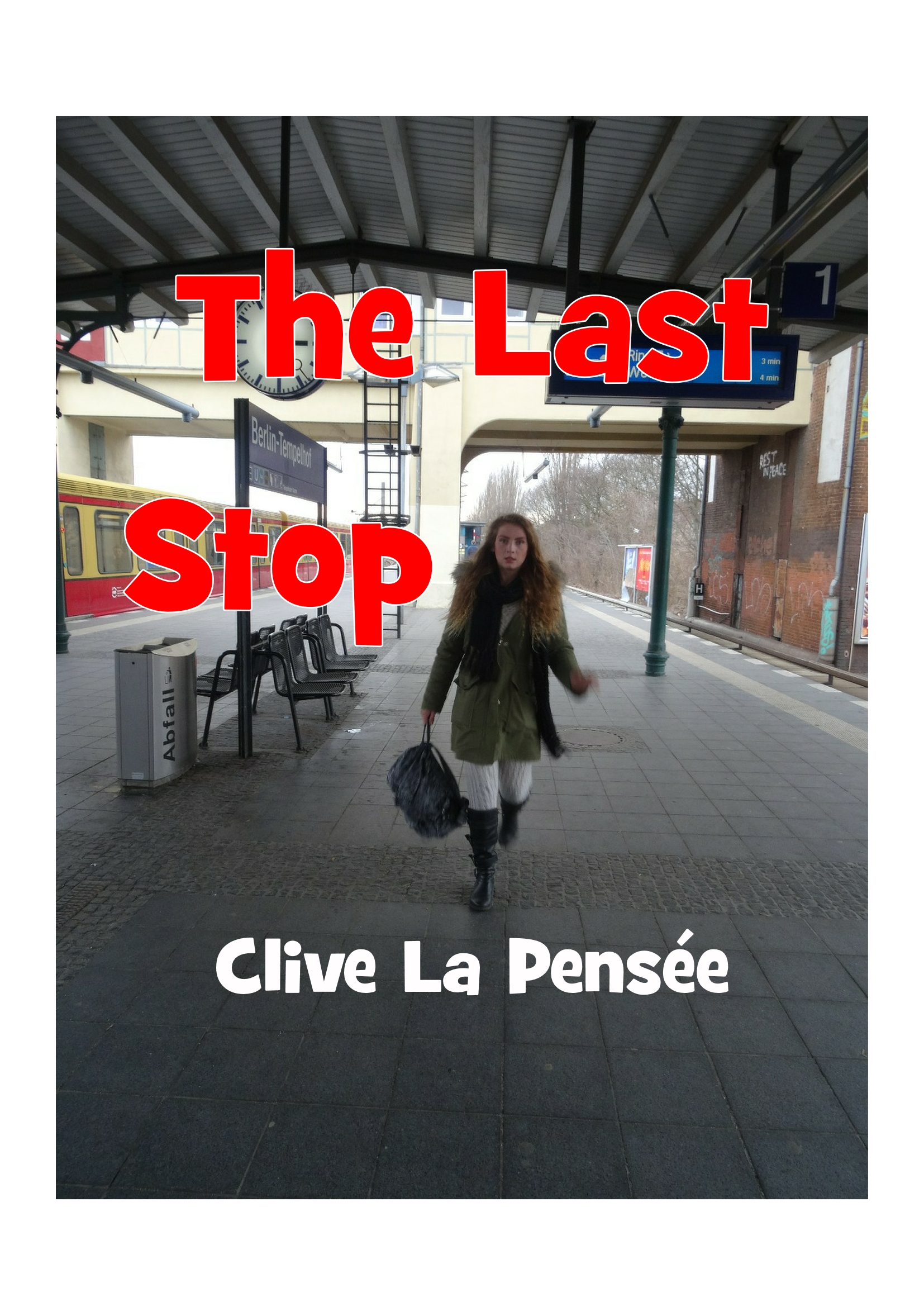
[Following is an official OnlineBookClub.org review of
“The Last Stop” by Clive La Pensée.]
4 out of 4 stars
Review by ellieonline03
‘The Last Stop: A Berlin Story by Clive La Pensée is a crime thriller that centers on a young woman’s struggle to be free from the shackles of Berlin’s sex industry. Maria’s quest to find her sister led her to a dangerous path. She needed help when she met Jack. Jack Precious, a tax inspector retiree from Leamington Spa, England, just wanted to enjoy his vacation in Berlin. Now in his sixties, he does not expect many thrills.
Then he met Maria, a girl from Poland. Jack wanted to help the innocent girl to return to her home. Little did he know that Maria was on the run from the people in Elgar, a brothel run by the most ruthless man named Dmitri. One mistake led to another and soon enough, Jack found himself hunted by the same people who were after Maria. To remain safe, the unlikely pair needed to fight back and win their peace.
Back in Leamington Spa, Jack’s wife, Felicity, was not where she told Jack she would be. She was actually having an affair with one of her workmates. Because her guilt was nagging her, she decided to follow Jack to Berlin and tell him the truth. What she found there shocked her to the core.
What I loved about the book was that the author gave life to a set of very strong and varied main characters. Jack was inherently kindhearted and that was the main reason why he helped Maria. During their time together, he stood as the balance. He made sure Maria understood the consequences of her actions. Maria, on the other hand, was impulsive. In her desire to find her sister, she made reckless moves, which put her in a precarious position.
They were not the usual protagonists in a crime thriller. Maria was in her twenties and Jack was thrice Maria’s age. Their lifestyle varied greatly: Jack was an honest tax collector before he retired while Maria was a prostitute with an unusual skill for a gun. Though an atypical pair, Maria and Jack worked perfectly together. The book also portrayed prostitution in Berlin.
I appreciated the effort of the author to be subtle on the sex scenes. They were not as graphic as I expected considering that this story lies in the sex industry. It was beautifully done.
Although some parts are slow (while some are too fast), it did not disrupt my reading. Thus, I give The Last Stop: A Berlin Story 4 out of 4 stars. Readers with a taste for a crime thriller would love this book. Similarly, those who look for strong characters would be fascinated with Jack and Maria as I was.’
The Ephraim Palace in Berlin dedicates its exhibitions to Berlin events and history. Their collection back in 2016 was about important Berlin women, who shaped our modern world. They were women a hundred years ahead of their time and they had to deal with prejudice and mockery. Most were active in the latter decades of the nineteenth century, up to the rise of fascism in the 1920’s and came from rich families. They married equally rich husbands, so the risks they took must be judged against the insurance cushion they enjoyed.
Two women caught my particular attention. The first, is the German equivalent of the Hull-born aviator Amy Johnson. Her name was Elly Beinhorn and, because she married the racing driver Bernd Rosemeyer, one researches her as Beinhorn-Rosemeyer. Bernd died in a racing accident within a few years of marriage. Elly lived to be 100, dying in 2007. Amy and Elly both took flying lessons, Amy with help from her father, Elly against the wishes of her family. She had to get by performing in displays to earn enough money for her passion. Then the long distance bug bit both women. They both flew in impossible conditions, often freezing and with no decent navigation once outside the range of radio stations. Amy was the first person to fly solo Europe to Australia and soon afterwards, Elly repeated the feat. She flew in Africa and the Middle East, making money with travelogues.
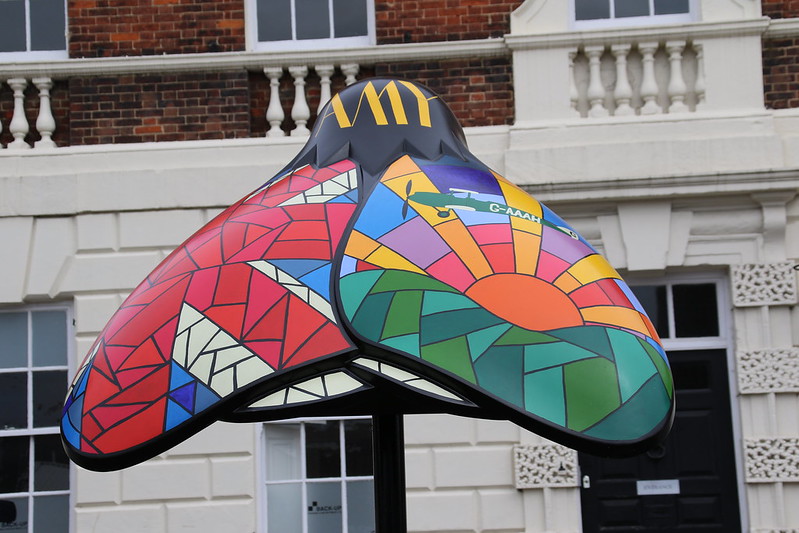
Amy’s moth – Norwood House.
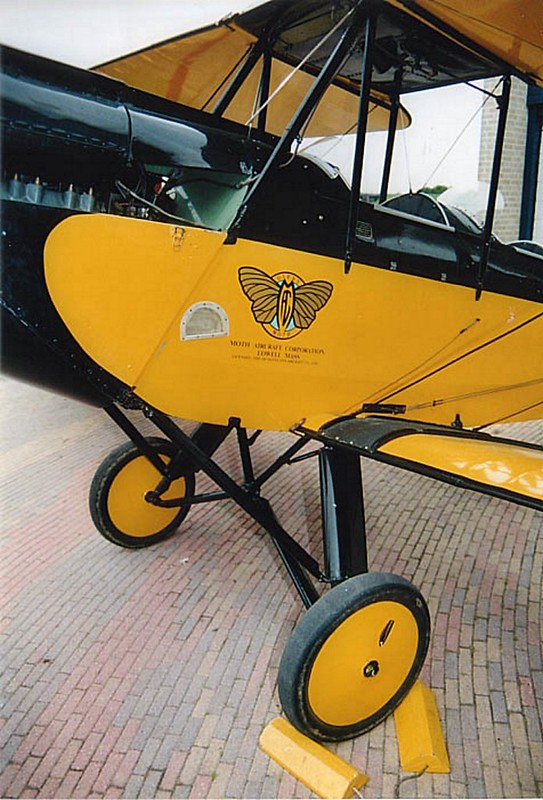
Hull and Beverley have an Amy Johnson moth celebration. Beverley is adorned with moth art works, (colourful sculptures about 1 metre across) commemorating Amy’s life. Hull invented the idea of art works to celebrate the famous, when they commissioned a series of 40 toad sculptures to form a toad trail. The toads were sited in Hull in places connected with Philip Larkin, who, in one of his poems, likened his feelings of workplace slavery, to being a squatting toad. The choice of a moth for Amy is more transparent. She flew a de Havilland Gypsy Moth at the beginning of her career. There is a magnificent stained-glass moth, with images of her plane, in front of Norwood House in Beverley.
Elly was passionately anti-fascist, but the fame of Elly and her husband Bernd was hijacked by Hitler, who sent his condolences when Bernd died. Despite Elly’s wishes to have a non-political funeral, the top brass turned up and made the usual speeches about the great German hero Bernd Rosemeyer. Reports suggest Elly stormed from her husband’s funeral in protest. The bravery of that action makes solo to Australia seem tame.
Elly did not volunteer to fly in the Luftwaffe, unlike Amy, who signed up as a pilot in the RAF. As a woman, Amy was not permitted to fly an armed aircraft. She died in January 1941, aged 38, while flying over the Thames estuary. One version of her death, is that she was shot down by friendly fire, after twice giving the wrong recognition signal. She parachuted into the water, but was dragged into the screws of the rescue vessel in high seas. Her body was never recovered.
There is a permanent exhibition to Amy, in Sewerby Hall, on Flamborough Head, and one panel records that Amy was a lousy navigator. That makes flying over oceans and deserts especially daring and the story about giving the wrong identity signal, more likely. What a lovely scatterbrain! Both Sewerby and Berlin exhibitions display charming artefacts connected with their flying lives. Let’s hope Elly gets her permanent corner, too. Why not alongside Amy in Sewerby?
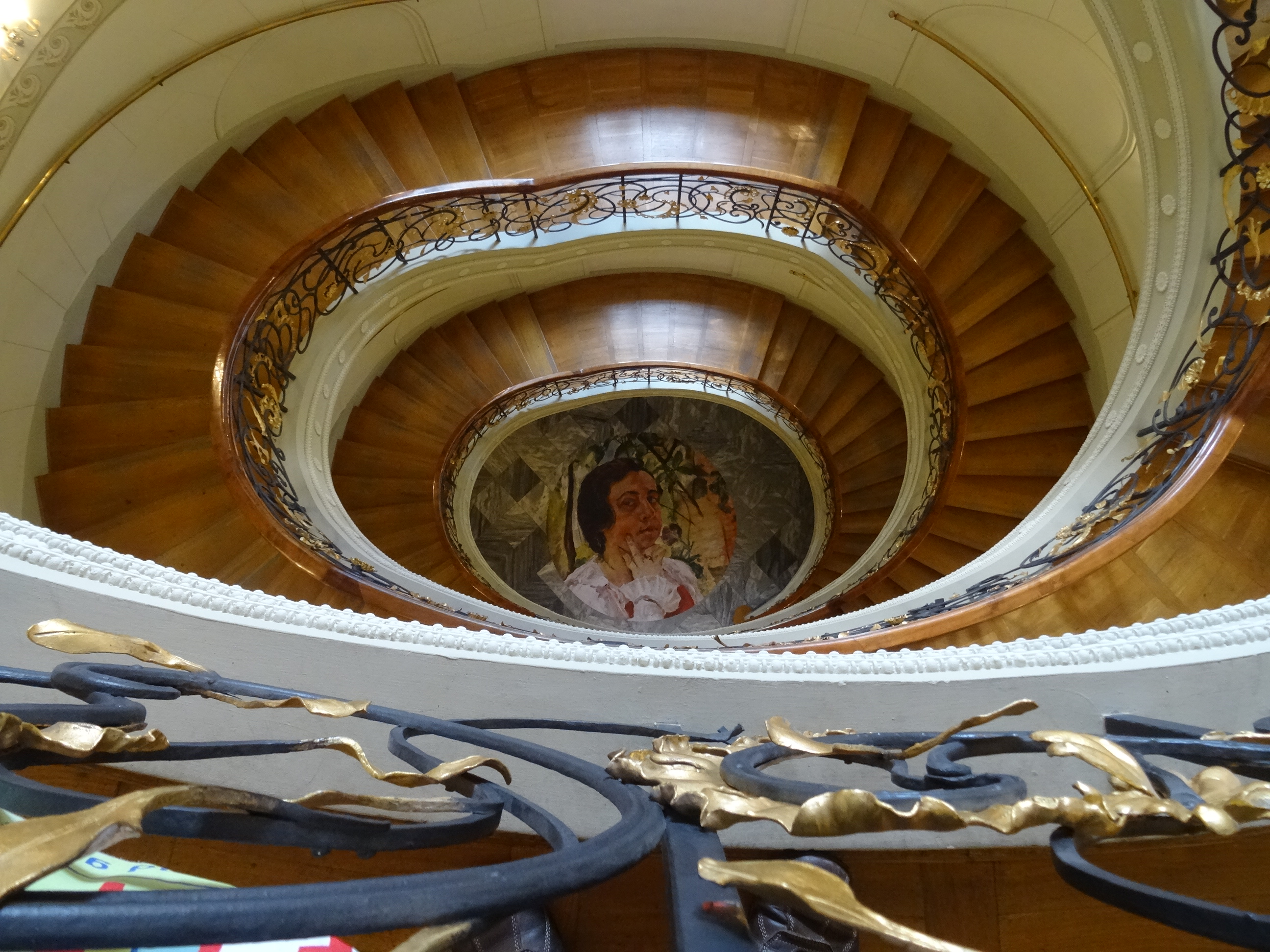
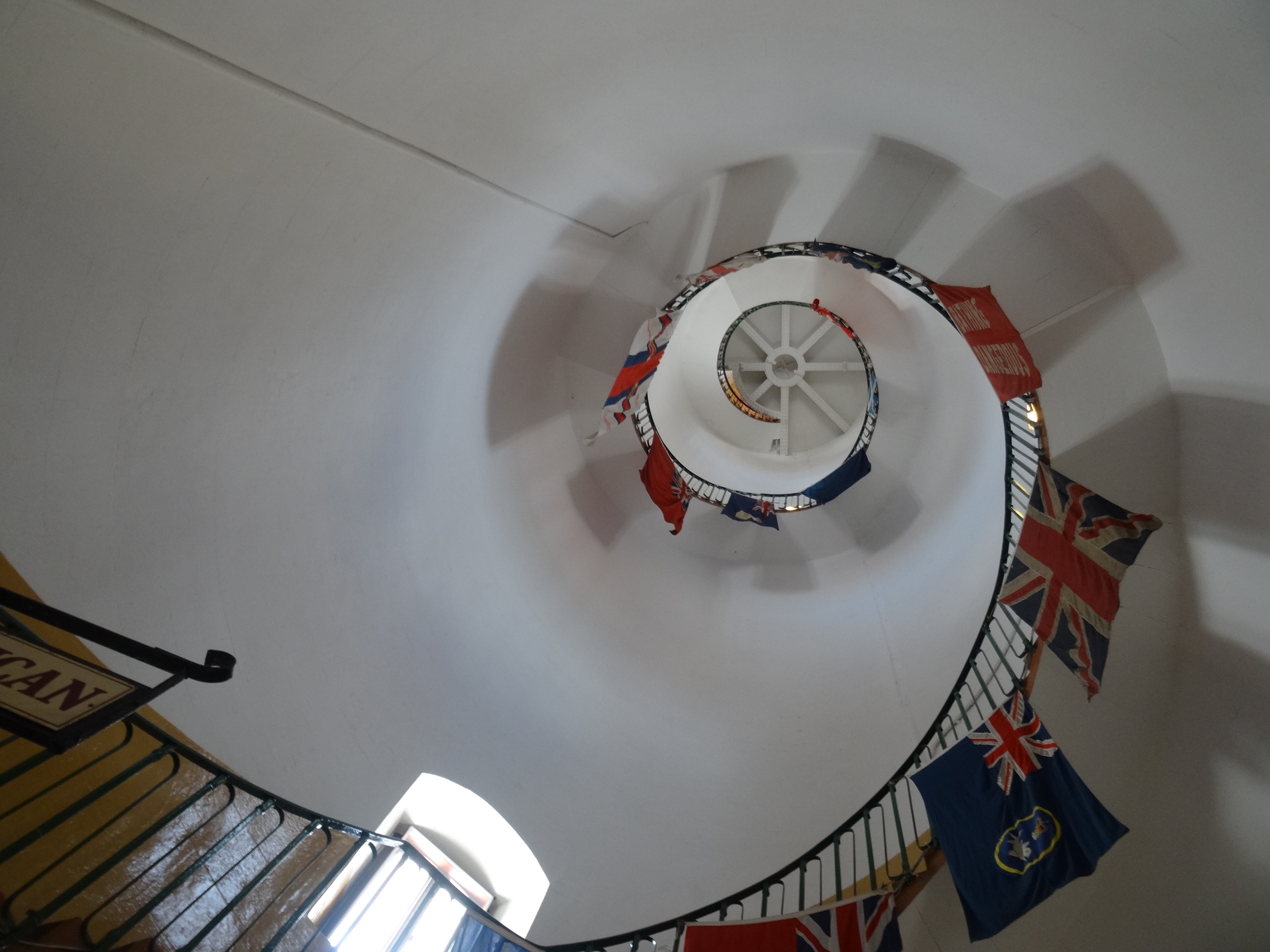
Go to Sewerby in summer. It boasts an amazing walled rose garden, children’s zoo and a cricket pitch on the cliff top. A six lands at the bottom of the cliff and at high tide the ball cannot be retrieved. At low tide one may find a mug prepared to descend over 200 steps. Go to Berlin as soon as you can. The Ephraim Palace has a circular staircase as magnificent as the drop off Sewerby cliffs. For the duration of the exhibition, there is a reproduction of the intense self-portrait of Charlotte Berend-Corinth, framed at the bottom of the stair-well.
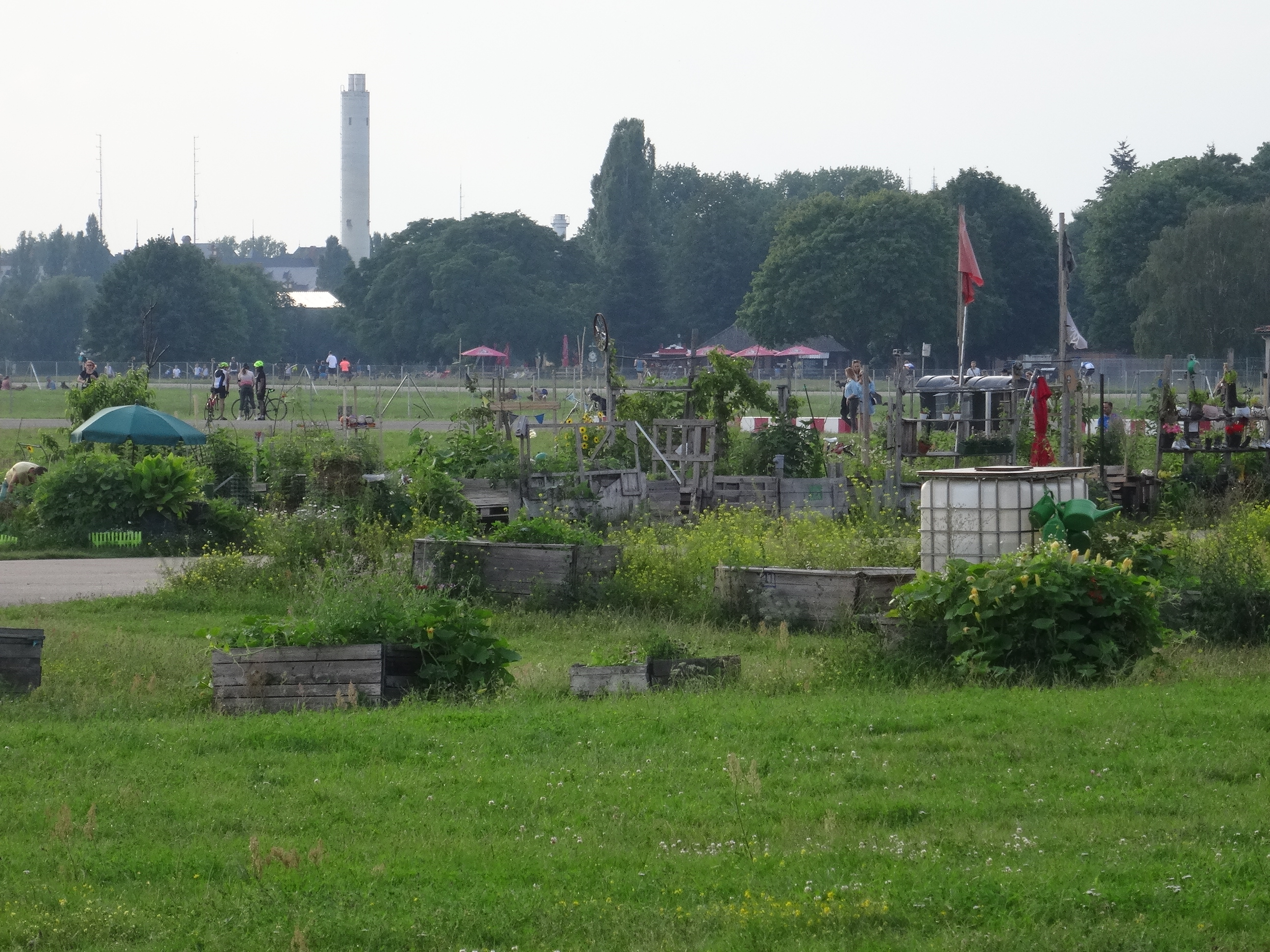
One of my favourite bike rides is across the Tempelhofer Feld, the original and now disused airport in Berlin. Elly often took off from there. One can exit the airport on its north side, cross the Columbia Damm and enter the Volkspark. This park is hilly, which is unusual in flat Berlin. One is cycling/walking on a Schuttberg, which is an artificial hill, made of rubble from bombed buildings. There are 8 such hills in Berlin and some parts of them were created by the so-called Trümmerfrauen (rubble women) after the war. There were no men available in 1945/46. They were either dead or prisoners of war. Someone had to start rebuilding the city, and so young women were offered the work. They accepted, because they received extra fat rations if they did hard physical labour. One such woman has a corner in the Ephraim Palace exhibition. She was Anni Mittelstädt. Her eldest son and her husband fell in the war. Her remaining son, 10 years old in 1945, was ill and needed extra rations. Anni joined the Trümmerfrauen in order to get the maximum rations for herself, but gave them to her son. A colleague of mine when I worked in Lingen, (birthplace of Bernd Rosemeyer) told me that as a Berlin 6 year old in 1945, his job was to hang out around the US army bases and collect the discarded margarine wrappings, take them home and use his little fingers to scrape any remaining fat from them. Anni, doubtless gave her sick son the same job.
Why is Anni celebrated among the thousands of Trümmerfrauen? She created a club for the women who worked clearing the rubble and thus, one remembers their work. Many women died. The buildings were unstable and there was no machinery. The facades were pulled down using ropes and if you couldn’t run fast enough, you were crushed under falling masonry. The masonry was sorted into recyclable bricks and rubbish. The bricks were carried by hand or wheelbarrow to a central store – the rubbish barrowed onto the Schuttberg. The Volkspark hills contain 2.5 million cubic metres of building rubbish. I need a low gear to get back up the hill to the Columbia Damm on a nice asphalt path. Imagine pushing a wooden barrow of broken bricks up a wooden plank. That was why the women were replaced with machines (thank goodness) as soon as some were available.
The corner dedicated to Anni in the Ephraim Palace, has pictures, films and descriptions of the work those women did. Modern Berlin women are so proud of Anni, that I was energetically told off by an attendant for not spending enough time in Anni’s room. Wow! But this is what war means to people. The attendant was really saying ‘Just don’t forget!’
The Tuareg singer and guitarist Alhousseini Anivolla, has written a song which roughly expresses the opinion, ‘When the men reach for the guns, the women and children pay the price.’ I’m sure he knows. Amy, Elly and Anni, that attendant and my margarine-wrapper colleague, would join the refrain.
The Tempelhofer Feld features in my novel, The Last Stop
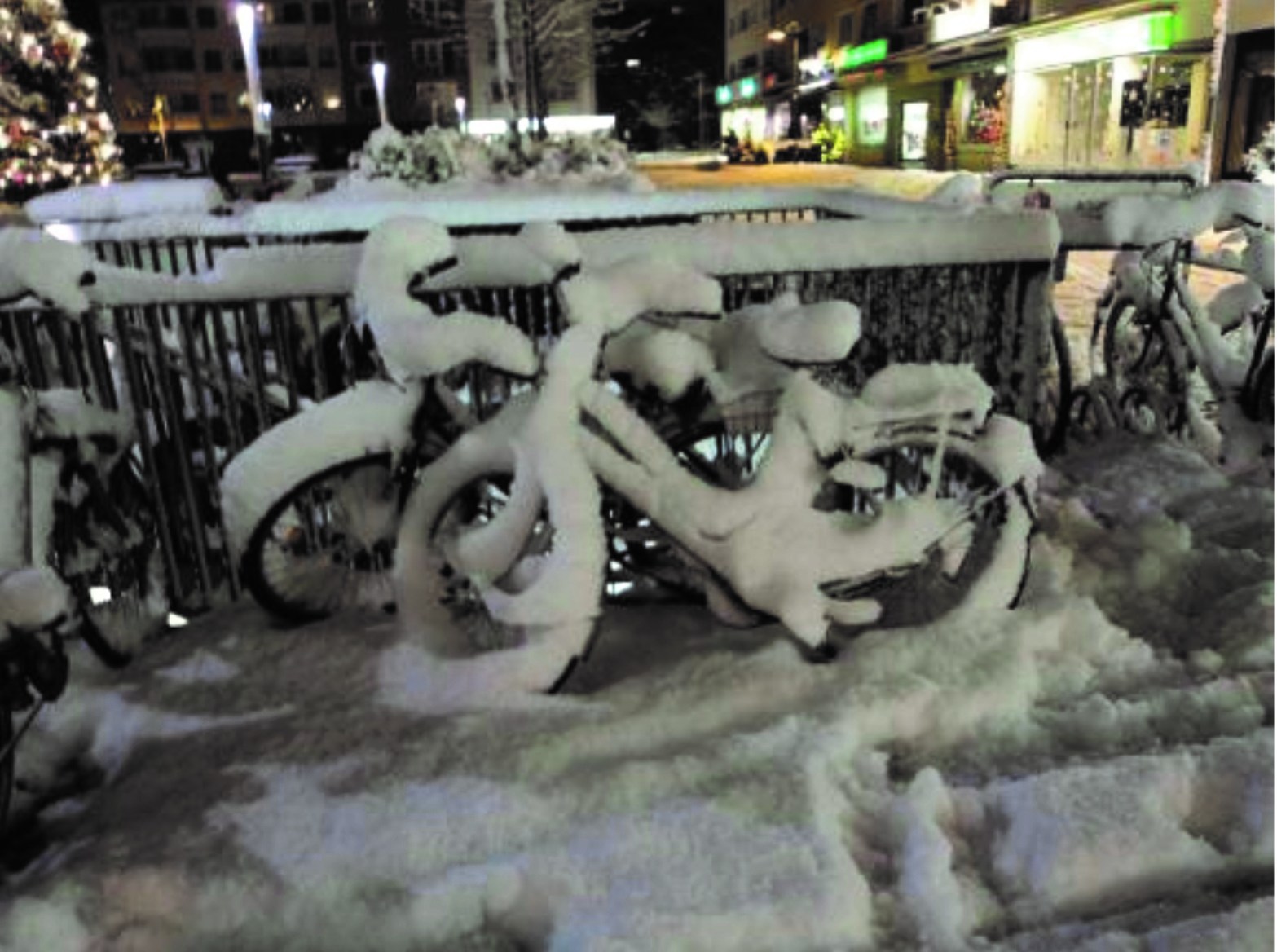
I have started a myth-busting series of stories, about life in the sixties. There were good things, like snow at Christmas. If I am honest it was only the once where we lived in South London – and plenty of it. I could concur with Dylan Thomas’s description of, ‘pouring out the ground’. I remember 6 weeks of sub-zero in 1962, but not at Christmas.
Apart from snow we had to be grateful for the trends – things were becoming better, radio played our music, fashion was a new idea, teachers were considering not hitting pupils and began using their first names, but I never experienced that. Cities were dreary, with too much traffic and too little civility and remained that way for decades. Forget the Brexit nonsense about the good old days.
1960 was a time of fear for young people. Saying the wrong thing or the right thing in the wrong tone, earned you a smack round the ear, at school, from teachers and other bullies, and at home. By 1969 we were fighting the last of our parents’ bad habits, and things were on an unalterable course. We were no longer clones of our mums and dads. Those days will never return.
The downside were the announcements that cigarettes would kill us, which we knew already and global warming was upon us – which was news we would ignore for another 50 years, to everyone’s cost.
In my second story, April in Starnberg, I have taken a neighbour from Priory Crescent, Cheam two doors from where we lived and released him from his fear of women, and everything else that struck terror in that poor man. He freed himself in his late 60s by spitting his dummy out at the local bowling club AGM. Using artistic licence and the badge of fiction, I’ve given him a life and his liberty in his 30s. He was a top bloke, generous to a fault and I never heard him speak badly of another. He deserved better. He won’t appreciate my effort. For him it is, alas, too late.
The action is the lake at Starnberg and I’ve used The Wasteland by Eliot as a vehicle to release him.
In my first story, The Holy Mere, Beth was set free by the poem, Death and the Maiden, by Matthius Claudius, made more famous by Schubert’s eponymous quartet.
And finally, a collection of short stories from the time. I hope they tickle.
Short stories about a young person’s angst
Another trip to freedom next time. Hope you enjoy the stories.
I’ve waited until panic is setting in, before offering people from Hull and the East Riding the perfect Christmas present. The lucky receiver definitely won’t have it already, nor will be they be given it by anyone else.
A poetry book about Hull
I know, you hate poetry because it is generally incomprehensible, but supposing there were a thin, full colour, fully illustrated book about Hull, in verse, irreverent, rude, uncompromising and less than a tenner – a lot less than a tenner in fact! Would that change your mind?
I had this great idea – publish a novella I wrote years ago on mental health and depression and give the proceeds to a charity – e.g. Mind.
The idea is to supply Mind charity shops with paperback copies for £2 and they would sell them for £3+
I would make nothing, but then, like most fiction writers, I make next to nothing anyway. No loss there then. And if Mind shifted a few thousand, my Amazon algorithm would benefit, as would my sales figures. That brought me back to another question posed by a writer friend in the US.
The rub
Elyse Salpeter asked why so many people start reading our stuff on Kindle Unlimited and stop after 14 pages? My theory is, we are too cheap. When I was a kid, I took half what I earned on my Saturday job to the bookshop as soon as I’d been paid and bought books. I still have most, now very yellow and they include Metamorphoses and The Age of Reason.
It’s fair to say I was clueless, but read them cover to cover because I had worked as a delivery boy, (a job I hated) for several hours, in all weathers, to get them. I was committed to my purchase. Nowadays, eBooks are pitched at £0.99 and free with KUL. No commitment there then!
And that’s why my charity shop idea won’t work. I’m guessing charity shops are inundated with second hand books which they can’t move for £0.10 per item. Anyone spotting my book for £3 would be scandalised!
Give it a go
I’m going to try, anyway and have contacted Mind. If you buy a copy – the profit goes to them, I promise. If you read it on KUL, keep turning pages, please.
Original title – How To Not Swim. Ch. 11 explains.
Fashion
It’s not fashionable to write about mental health, but sometimes one has to try and point out that actions have consequences, so this novella is aimed at those in power, who walk away from the consequences and retire to their yacht, leaving tens of thousands unemployed and without a pension fund. And it is about politicians who short our currency to make a quick few quid, but in the process cease to operate in the best interest of the country and its economy. Both these groups have betrayed their nation. But above all, it is about the people left to pick up the pieces, pay their taxes and try to make ends meet, for themselves and for the country. They are the heroes. Beth and Manfred are my chosen few, along with Henrietta, their guard dog and an ageing Mercedes, which they need in order to find Beth work.
Pretty reads
It’s not a happy story, but we all have to find our solutions in the hostile world of work we occupy so in that sense, it highlights a negative solution. I have a trusted beta reader, Charlotte, a recovered addict, who entered prostitution to fund her habits. She is now a successful artist and holding her life together. I admire her so much. That was a mighty achievement, the like of which I will never manage. She told me I captured the moment and that is a comment I have treasured and one that gave me the courage to publish The Holy Mere.
Another respected beta reader ended up in tears, which is a relief. The English are so into black humour, they don’t get tragedy anymore and The Holy Mere isn’t meant to be a pretty read.








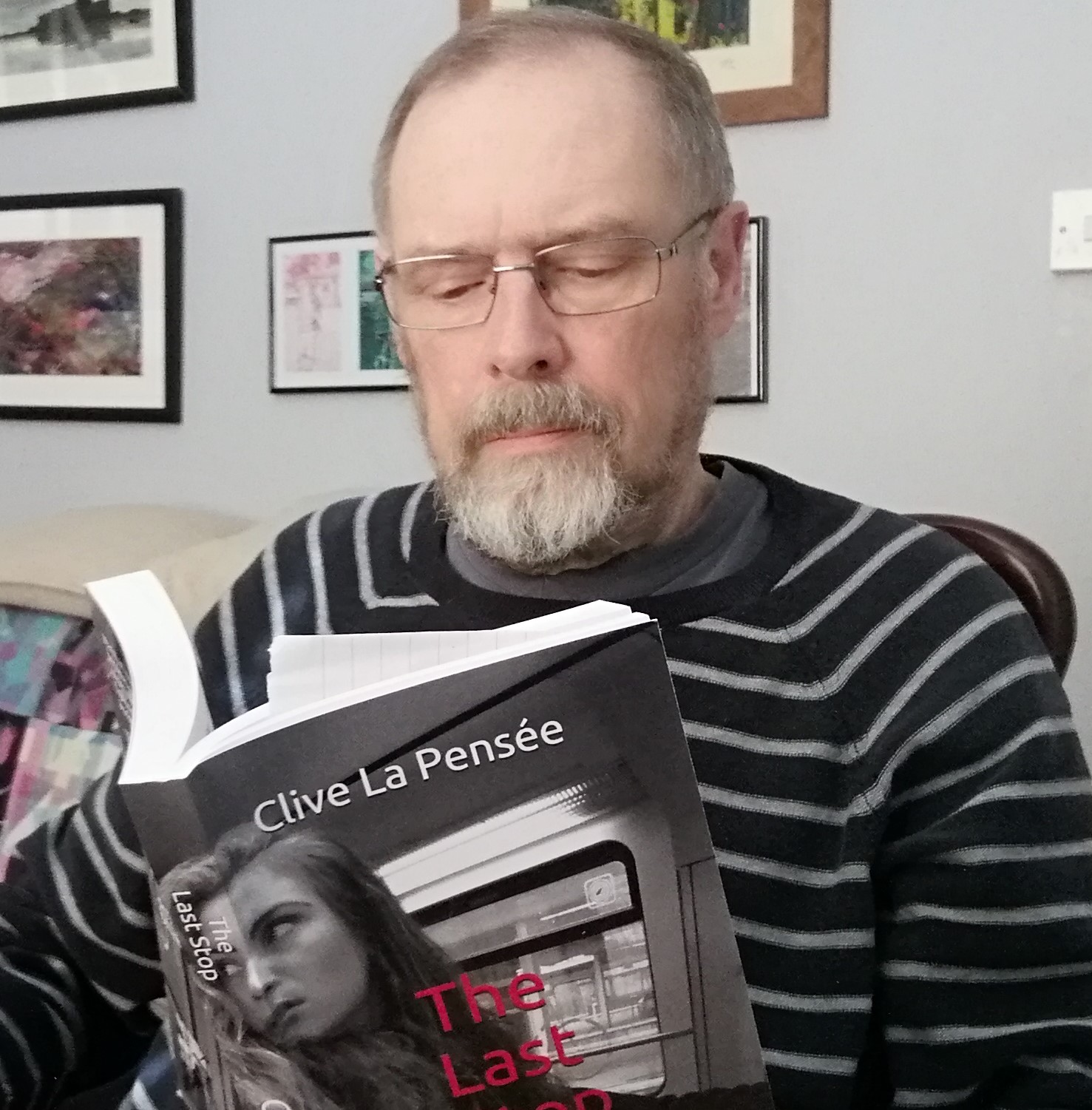





 Clive La Pensée