Wear clothes – kinda makes sense, but then sensible clothing, which puts high heels and slit jeans in the dustbin.
Drive a car – if you have to, then a car commensurate to your needs. A farmer might need an SUV but not normal folks to do the shopping or visit mum on Sunday. It’s crass and boring and is killing our children.
But the problem is, where to stop. If we eliminate all fun but unnecessary things, is life worth living?
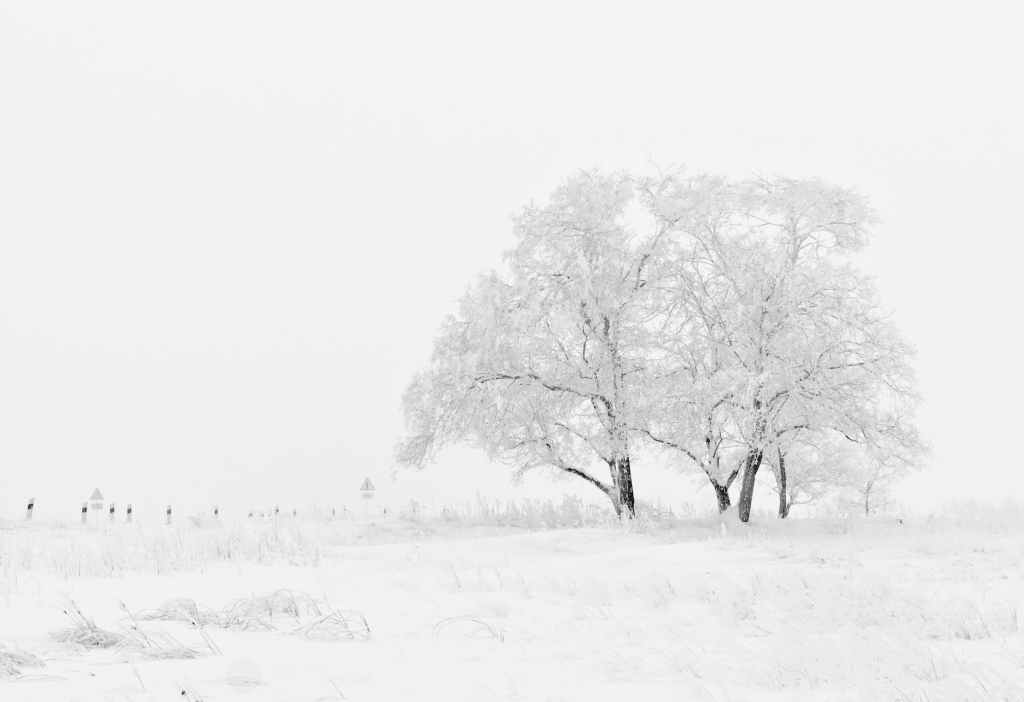
It might have to be. Grey February, 10 degrees and raining when 30 yrs ago we were making a snowman.
Life is about to get boring when we are forced to give up the things wrecking our planet, because those things are really boring.
Are you patriotic? What does being patriotic mean to you?
I try not to be patriotic. It is difficult. We are wired from birth to love the things we know, the things around us that make us the person we are, make us feel good, that define our comfort zone.
But that comfort zone makes us lack discretion. We work on what we feel, not on reality.
I have learned, that which we believe to be the truth is only a fraction of the story. I took just three historical events and reanalysed them in a methodical but imaginative way. The three moments in history I considered are Nazi Genocide, Bengal famines and strategic bombing by the RAF in WW2. I did the analysis with short prose pieces around aspects of the topics. These pieces reflect that moment in time that something awful happened, rather than a historical truth. There are 76 pieces in all, including German reworkings of the pieces. This will stagger and depress you, but it needed to be done so that we understand how governments history-wash us and use our patriotism to deceive us. We need to grasp the nettle, for it is still going on. Finally, I provided an example of how history still treats a hero, whose profile no longer fits.
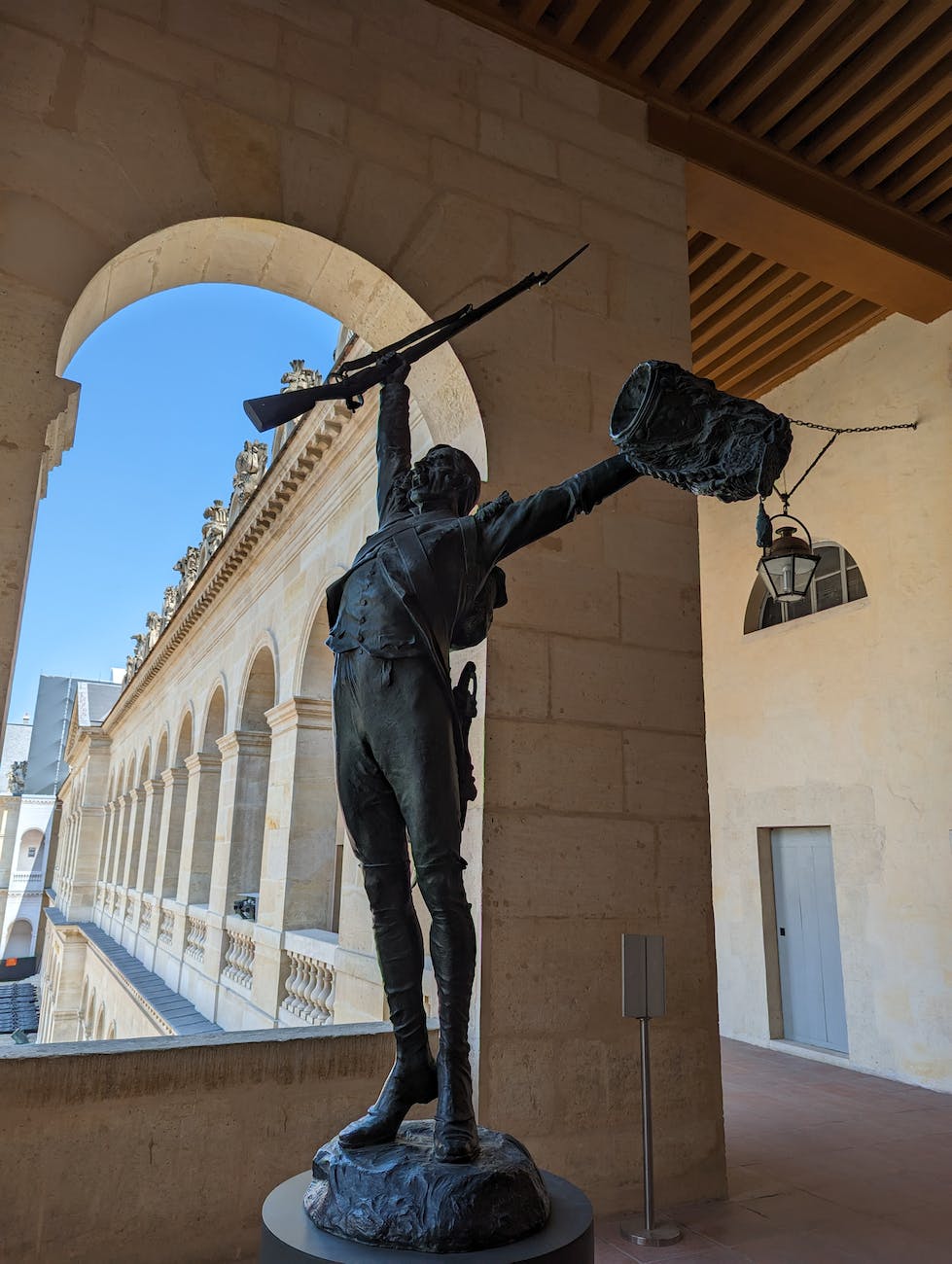
Ernst Thälmann – Hero of the opposition to the National Socialists, arrested 1933, spent 11 years in solitary confinement, beaten, tortured, betrayed by Joseph Stalin and Walter Ulbricht and shot on Hitler’s direct order in Buchenwald 1944. One thinks that despite torture and beatings, he never betrayed anyone. There is a statue of this remarkable man, in Berlin, dating from DDR times.
That is the problem The CDU want the statue removed. Why? Because he wasn’t one of them of course.
The Berlin Senate no longer pays to have the graffiti removed. It costs too much. Why would people want to graffiti it? The man was an absolute hero of anti-facism. History-washing is alive and well. The hero has become the villain, simply because communists adopted him as a patriot and communism is a dirty word.
It has to be the mountains in summer and the beach in winter.
Here’s why.
The thrill of over-exposure to wind, the grind of sand in every crack and sandwich, pales quickly, but that’s life on the beach in the UK. Go to the Med, swap wind for sun – done.
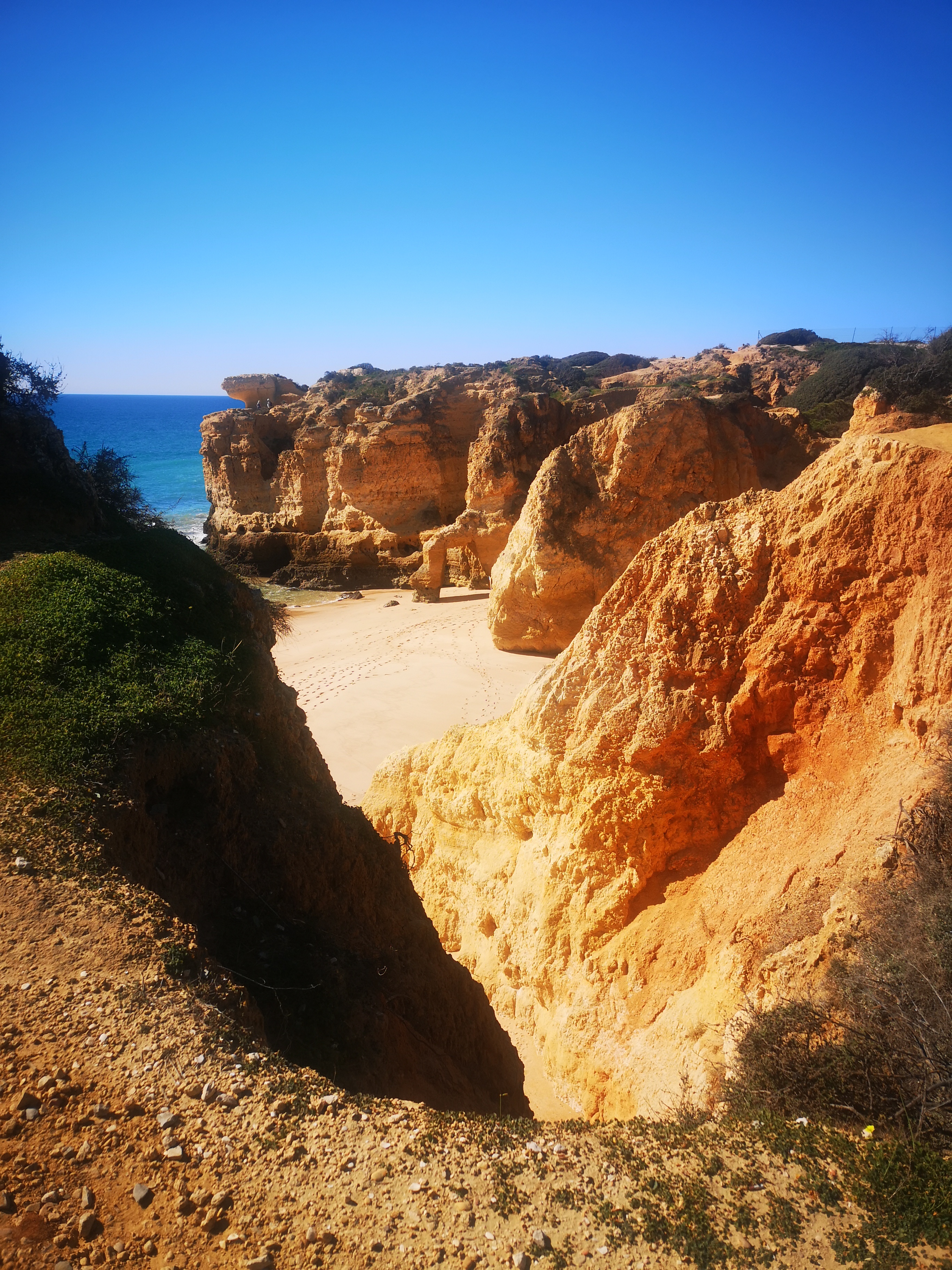
So do it in winter, when there is no allure, nothing to seduce you to take your clothes off and enjoy a swim, no desire to sit on a beach and picnic. There is just a bracing walk, sea crashing, birds screaming and a tea and scone with cream jam and butter in a warm cafe, overlooking the action at the end of your afternoon, as the sun dips to the water, lighting everything in purple and golden red.
Magic!
The reverse is true in the mountains. The threat of bad weather and the attendant dangers, cramp your style, make you want to dally in bed, instead of hitting the slopes. And sunset can disappear in the descending cloud and snow storms.
But in summer, one can wander, admire the peaks and sky, clouds, the swooping birds of prey, wild-flower meadows and cascading waterfalls to rest by.
And the beer garden will be open at the end of your wandering!
If you could meet a historical figure, who would it be and why?
He was a genius, gave us laws protecting the working man from feudal nastiness, sensible system of measurement based on the mass of a cubic centimetre of water, city planning – where to end the list of achievements. One could go on.
So why did he have to be a war monger, resulting in the deaths of millions? Hubris? Stupidity?
He wasn’t a stupid man, so I’d like to ask him what it was all about.
Why would you ruin an amazing reputation with stupidity? Why would you take a huge army into a Russian winter?
Of course it is a mistake to equate intelligence with common sense.
They thought that only at the end of life, did he suffer for the pain he caused. That was not true.
He suffered life-long anguish and perhaps his grief was the real reason for the bellicose outbursts, which reflected his inability to take responsibility for the wrongs he had done, the wrongs he repeated time after time. ‘What wrongs?’ friends would ask. For them he was the funny man, always ready with a quip and a hail-fellow-well-met greeting. To the people who knew, he was the person to fear. The slightest indiscreet thought could tip him into a screaming beast capable of much harm, for he knew people’s thoughts, he could read their faces and detect the sly smirk of disagreement or judgement, the silent challenge to his power game, where he hoped to reign as the alpha male. But teenage boys challenge fathers and the rage our thoughts caused were mild compared to the fractures opened by direct opposition to his will – the plate-throwing, the broken panes. We learned to dodge and leave gashes in the woodwork, not in our heads and we became skilled glaziers, so that harmony could return when he did. Sometimes there was no resolution so after the initial rage, came the days, even weeks of the silent treatment. He knew he was stronger. He knew that the family would cave in, just to return to a normalised life.
I remember once, age 14, I cut his tomato the wrong way – 5 days silence as punishment. His word had to be absolute.
He worked hard for his family, supported them when it mattered, never betrayed my mother, doubtless loved us all – so why was Christmas a nightmare.
I never asked why? As the spark of life grew dim in his eyes, he asked me if I was alright with the hand, he had dealt me, all those years ago, as a child and young man. Why didn’t I tell him the truth? Because he already knew the truth and wanted absolution from me, to hear that it all hadn’t mattered, and the hours of sobbing after the storm, had been forgiven. Forgiven, yes! But forgotten – never can happen old man. Thus, I remained silent and ignored his request, which was perhaps the greatest punishment for him. And somewhere in all this was the reason why, at the end of life’s final whispering, as he exhaled for the last time after 66 years of marriage, my mother said, ‘I don’t have to be afraid anymore.